
Beyond Proportion on the human form, architecture and the classical ideal
November 09, 2026Classical ideals promise coherence. Yet the human figure continues to resist the certainty of the forms devised to contain it. Reflections on history, identity and the unfinished self following a visit to RH London.
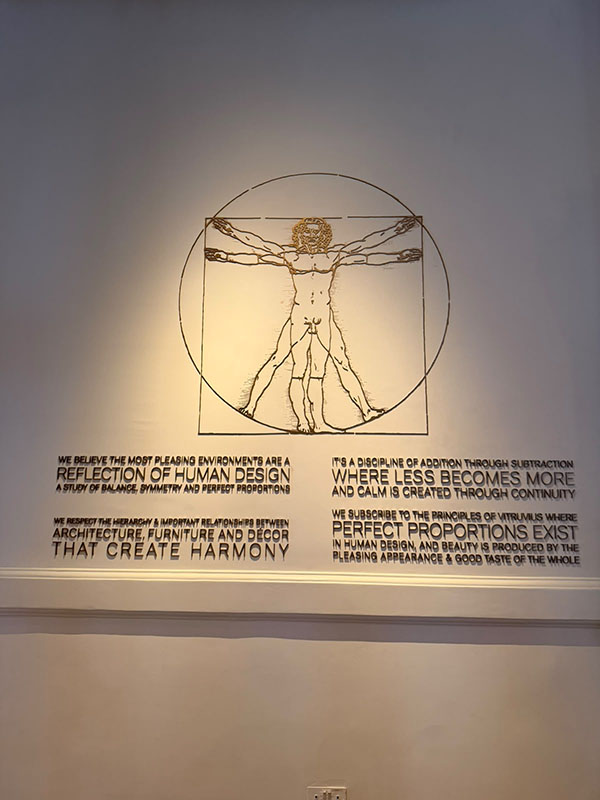
The Language of Order
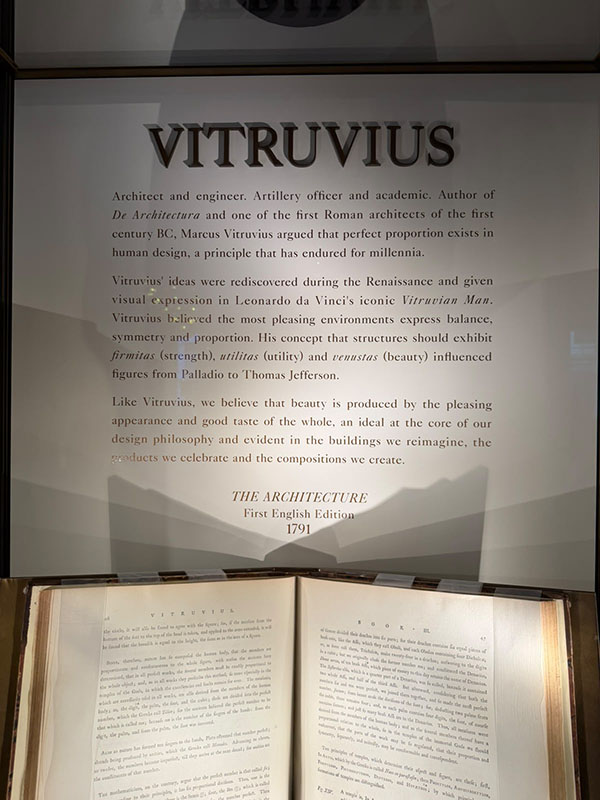
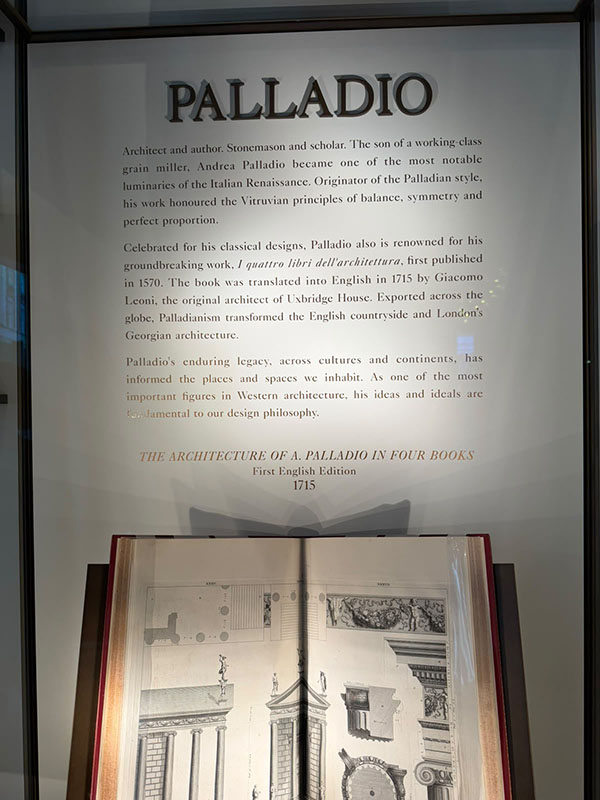
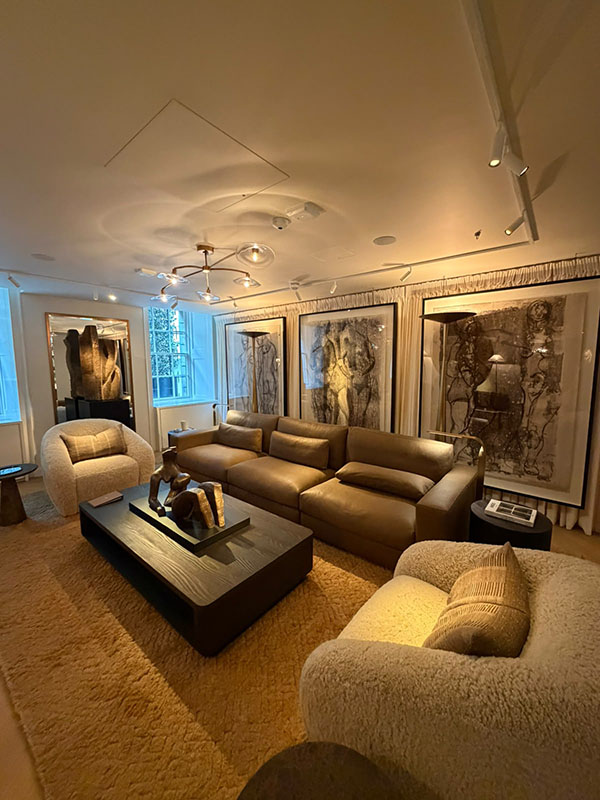
Uxbridge House in Mayfair was designed in 1721–23 by Giacomo Leoni, an architect whose work helped bring Palladian principles into English architectural life. Now home to RH London, the building holds several histories within its walls. It has been altered, repurposed and reimagined; its character is not exhausted by the intention of its original designer. There is something fitting about encountering Vitruvius and Palladio here. Their books propose an architecture of intelligible relationships: between
part and whole, structure and ornament, the human body and the space it inhabits.
Vitruvius wrote of firmitas, utilitas and venustas — strength, usefulness and beauty. Palladio gave renewed force to ideas of symmetry and proportion, constructing an architectural language of measured relationships. Their influence remains powerful. Yet the longer I looked, the more I wondered what an ideal of balance can tell us about the people who inhabit it.
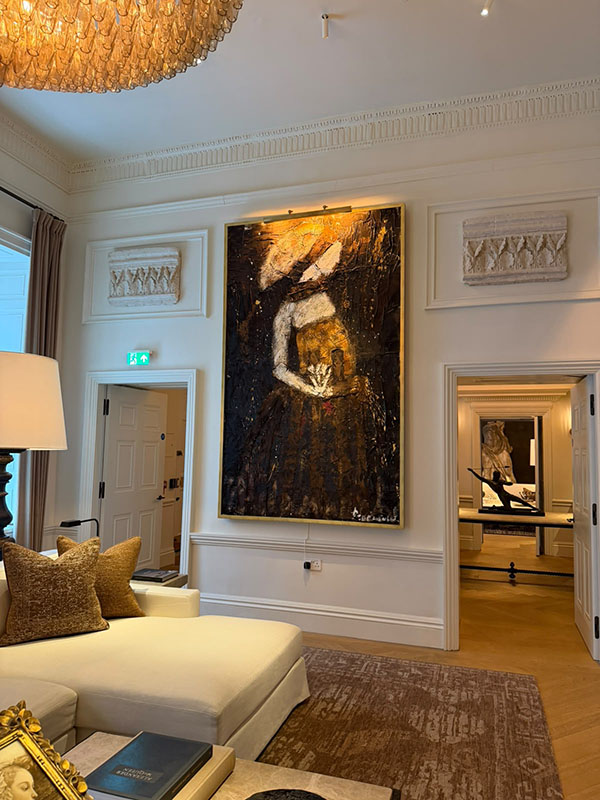
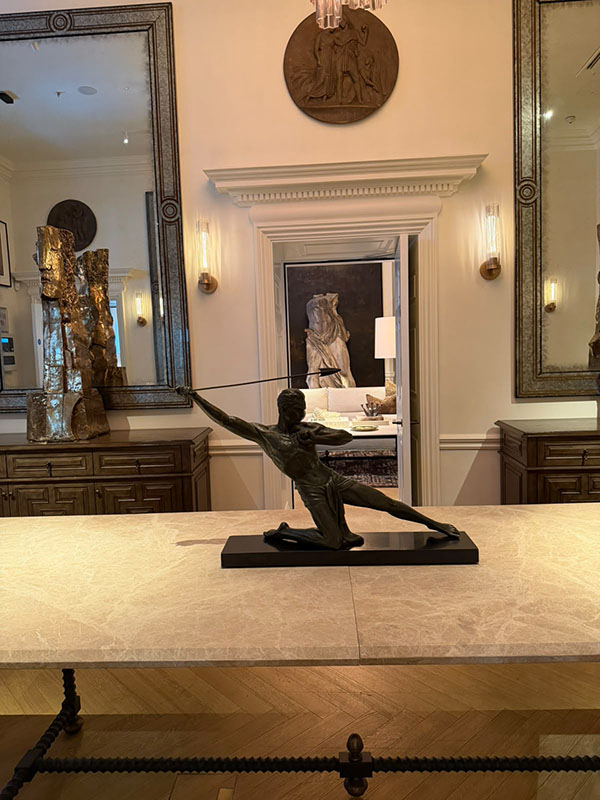
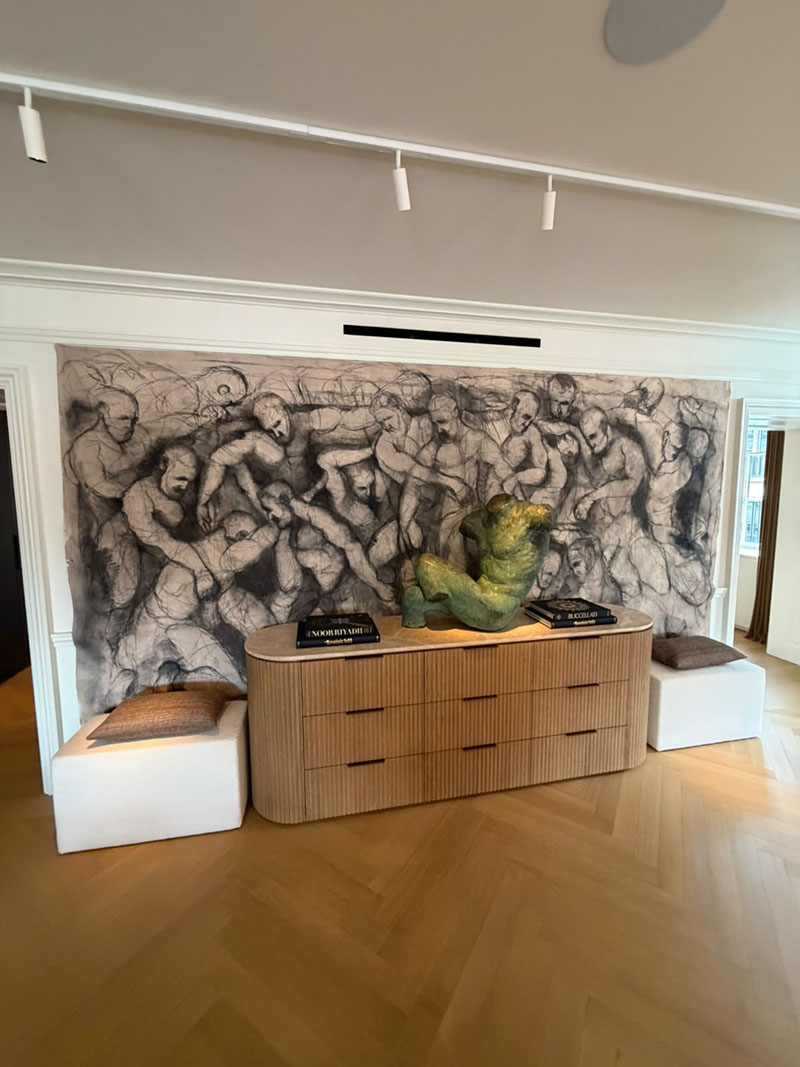
In one room, a fragmented sculptural torso stands before a densely layered drawing of human bodies. The contrast is arresting: one form reduced to an incomplete figure, the other multiplied almost beyond containment. Both speak through the body, yet neither offers a reassuring image of wholeness. Rather than diminishing their presence, these interruptions make the figures more compelling. They suggest that the body is never merely an object to be measured. It also carries memory, conflict, desire and change.
For me, the classical ideal becomes most interesting at precisely this point: not as a formula to repeat, or a lost perfection to recover, but as a structure against which lived experience can press. Proportion may establish an order. It cannot resolve the contradictions of the person within it.
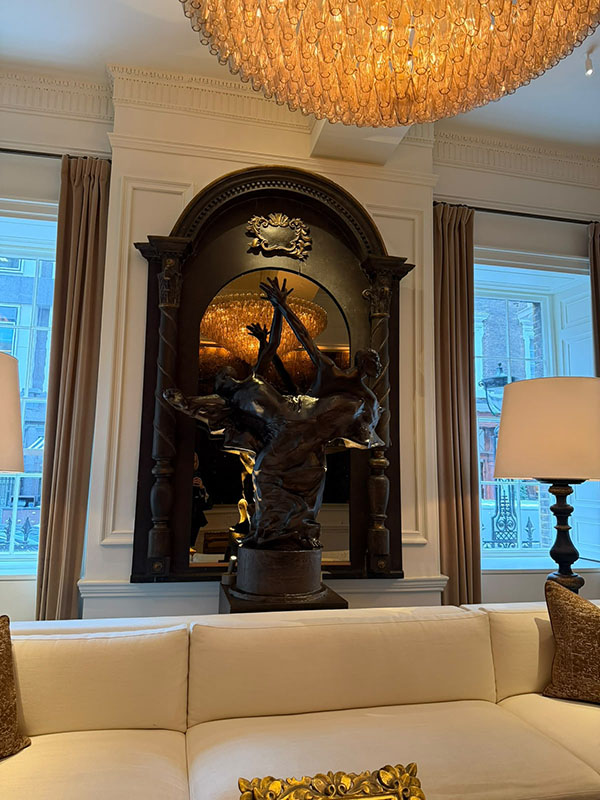
The Figure and the Self
Portraiture has always relied upon visible conventions: posture, costume, gesture and the deliberate presentation of a face. Such details can give a person an air of authority or composure, suggesting that identity might be made legible at a glance. But outward form and inward experience seldom correspond so neatly. A composed expression may conceal uncertainty; strength may exist alongside fragility.
In my own paintings, historical portraiture is not an exercise in nostalgia. It offers an inherited vocabulary of dignity, permanence and expectation. I use that vocabulary to question the very certainty it appears to promise. Each figure occupies a space between what is shown and what remains unspoken, between the identities we are given and those we continue to construct.
A portrait, to me, is never a final account of a person. It is a fragment of a self still becoming. This is why classical forms remain so relevant: they give contemporary psychological uncertainty a structure against which to become visible. The history of representation is present, but its authority is no longer unquestioned.
Walking through RH London, I was drawn less to the idea of perfection than to the tension between continuity and change. The architectural setting proposes harmony; the fragmented bodies suggest what harmony cannot fully contain. Their coexistence creates room for a more searching kind of beauty — one that does not depend upon being complete.